 Dr. Vaishali Suri (P.T.)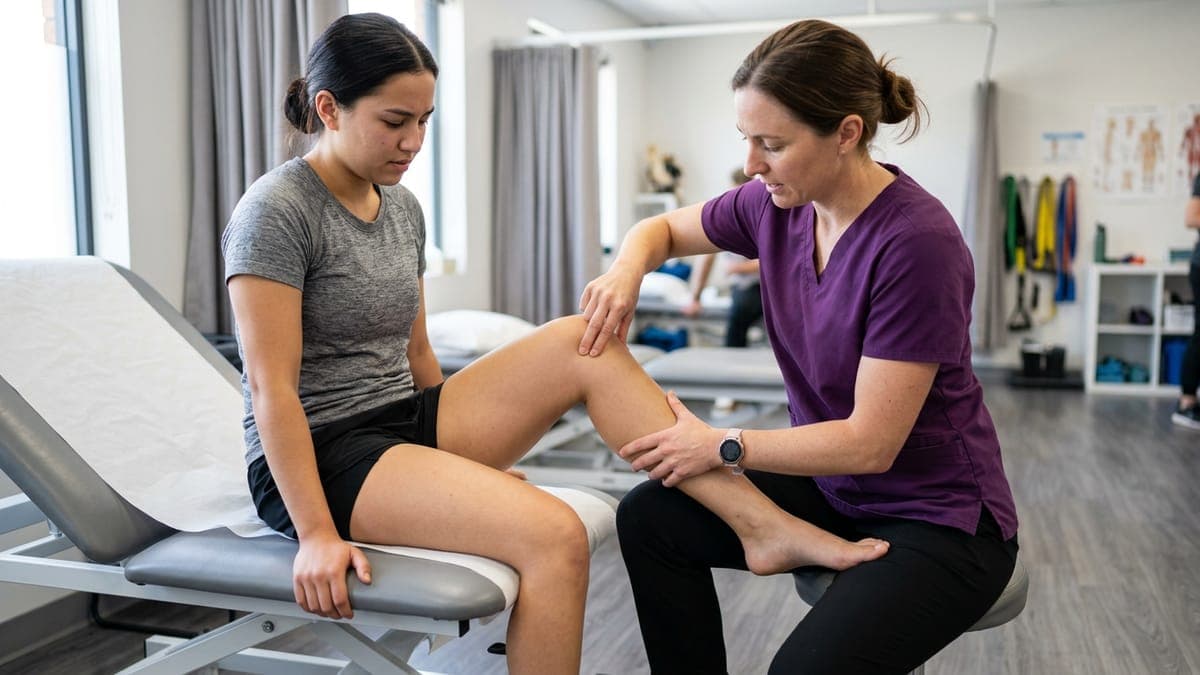
Pes Anserinus Tendinopathy and Bursitis: Physiotherapy in Faridabad
Pes anserinus tendinopathy and bursitis affect the inner side of the knee, where the tendons of three muscles (sartorius, gracilis. Semitendinosus) insert together to form the 'goose foot' (pes anserinus).
It causes inner knee pain particularly with climbing stairs, getting up from a chair, and after prolonged sitting. And is especially common in overweight patients and those with knee osteoarthritis.
At Realign Rehab Clinic , NIT-5, Faridabad, our expert physiotherapist Dr. Vaishali Suri provides evidence-based treatment built around your specific needs.
We serve patients from NIT, Sector 14, Old Faridabad, Green Field Colony, Ballabhgarh, Surajkund, and surrounding areas.
Causes and Risk Factors
- Knee osteoarthritis — altered joint mechanics increasing pes anserinus stress
- Obesity — increased compressive load on the medial knee structures
- Valgus knee alignment (knock-knees) creating increased medial compartment loading
- Runners and cyclists with excessive medial knee loading
- Breaststroke swimmers (whip kick creating repetitive medial knee stress)
- Sudden increase in running or walking distance — common in weight-loss exercise programmes
Signs and Symptoms
- Pain on the inner side of the knee, approximately 5 cm below the joint line
- Pain when climbing stairs — particularly going up
- Stiffness and pain on rising from a chair after prolonged sitting
- Tenderness directly over the pes anserinus insertion on direct pressure
- Nocturnal inner knee pain — sometimes preventing sleep
- Swelling (if bursitis component) directly over the inner knee
Physiotherapy Treatment at Realign Rehab, Faridabad
- Ice and activity modification in the acute phase
- Strengthening of the quadriceps and hip abductors to reduce valgus knee stress
- Stretching of the hamstrings, adductors, and medial knee structures
- Manual therapy for the knee joint if OA is a contributing factor
- Orthotics to correct valgus alignment and reduce medial knee loading
- Gait retraining for runners — increasing step width to reduce medial knee stress
Frequently Asked Questions
Is pes anserinus pain the same as meniscal pain?
No — pes anserinus pain is on the inner side of the knee approximately 5 cm below the joint line, while meniscal pain is at the joint line itself. A physiotherapy assessment easily distinguishes the two.
Misdiagnosis is common and leads to inappropriate treatment.
Will I need an injection or surgery?
Most cases resolve with physiotherapy — strengthening, stretching, and biomechanical correction. Corticosteroid injection may be recommended by your doctor if conservative physiotherapy fails. Surgery is rarely necessary.
How long does treatment take?
Most patients with pes anserinus tendinopathy/bursitis improve noticeably within 4–8 weeks of physiotherapy. Chronic cases in patients with knee OA may require longer management — 12–16 weeks.
Does weight loss help?
We combine physiotherapy with advice on exercise and general health for overweight patients.
Book Your Consultation
📍 NIT-5, Faridabad | 📞 +91 9818185589 | Mon–Sat: 8 AM–8 PM
Related Articles: Wrist Tendinopathy: Physiotherapy Treatment in Faridabad | Shockwave Therapy for Patellar Tendinopathy (Jumper's Knee) in Faridabad | Shockwave Therapy for Achilles Tendinopathy in Faridabad | Wrist Pain from Keyboard and Mouse Use in Faridabad: Physiotherapy Solutions
Related Conditions: Rotator Cuff Tendinopathy | Wrist Pain Treatment | Urinary Incontinence Treatment
Related Services: Advanced Sports Physiotherapy | Pediatric Physio