 Dr. Vaishali Suri (P.T.)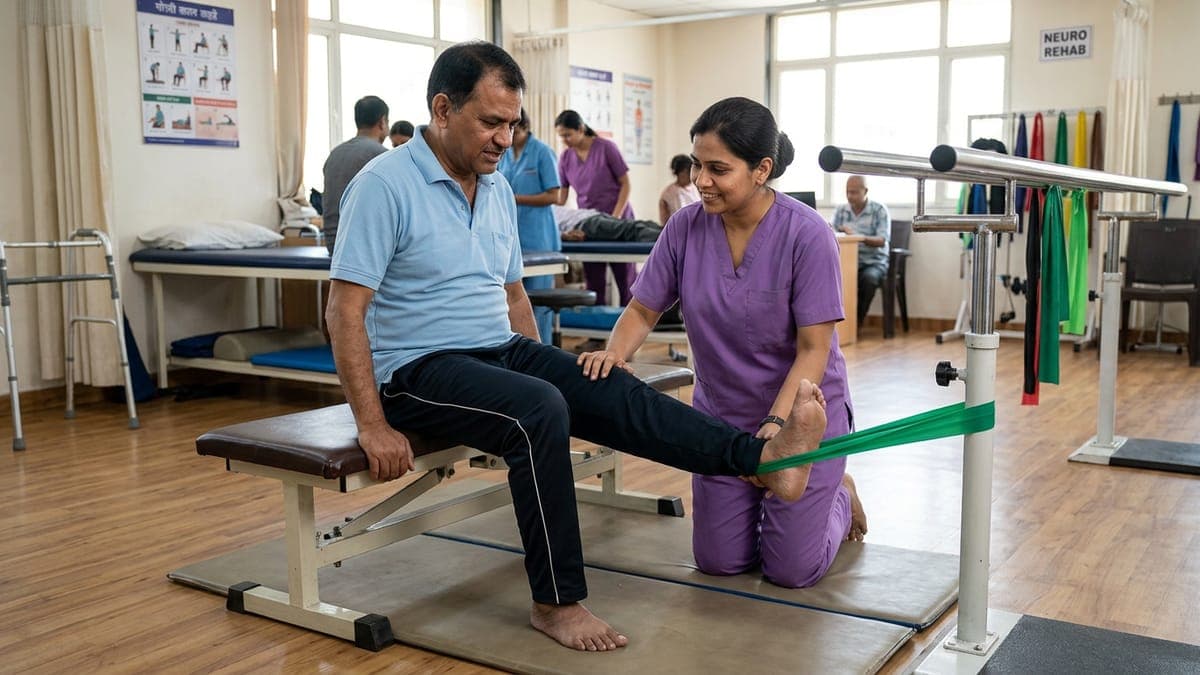
Lower Limb Weakness: Physiotherapy Rehabilitation in Faridabad
Lower limb weakness — ranging from subtle strength asymmetry to significant motor impairment — has multiple causes and affects people of all ages. Whether from neurological injury (stroke, spinal cord compression), peripheral nerve disease, post-surgical deconditioning, or idiopathic muscle weakness, physiotherapy provides the targeted strengthening, gait retraining.
Functional rehabilitation needed to restore walking ability and independence.
At Realign Rehab Clinic, NIT-5, Faridabad, our expert physiotherapists provide personalised, evidence-based care. Serving NIT, Green Field Colony, Ballabhgarh, Sector 21–82, and across Faridabad. Contact us: +91 9818185589.
Causes and Risk Factors
- Neurological: stroke, spinal cord injury or compression, peripheral neuropathy, multiple sclerosis
- Post-surgical: knee/hip replacement, spinal surgery causing temporary nerve inhibition
- Orthopaedic: joint pain causing disuse atrophy (pain-related inhibition)
- Age-related sarcopenia: progressive muscle mass loss in older adults
- Prolonged immobilisation: bed rest, casting, or hospitalisation
- Inflammatory myopathy: polymyositis, dermatomyositis
- Metabolic causes: diabetic myopathy, thyroid disease, vitamin D deficiency
Signs and Symptoms
- Difficulty rising from a chair, climbing stairs, or walking uphill
- Gait deviations: Trendelenburg gait, foot drop, or step-page gait
- Frequent falls or near-falls due to leg giving way
- Reduced walking speed and endurance
- Visible muscle wasting (atrophy) of the thighs or calves
- Dragging or scuffing of the foot during walking
Physiotherapy Treatment at Realign Rehab, Faridabad
- Complete strength testing: MMT, dynamometry, and functional performance tests
- Progressive resistance strengthening: closed-chain exercises (squats, leg press, step-ups)
- Neuromuscular electrical stimulation (NMES) for severe weakness or post-surgical inhibition
- Gait retraining: parallel bars, walking aids, and progressing to independent walking
- Foot drop management: AFO (ankle-foot orthosis) assessment and functional electrical stimulation
- Balance and fall prevention programme alongside strengthening
- Functional activity training: transfers, stairs, and community ambulation
- Home exercise programme for maintenance between clinic sessions
Frequently Asked Questions
Can physiotherapy strengthen weak legs?
Yes — progressive resistance physiotherapy is the most evidence-based treatment for lower limb weakness from any cause. Noticeable strength gains are achievable even in elderly patients or those with neurological conditions.
What exercises help weak legs?
Sit-to-stand practice, step-ups, leg press, and heel raises are the most functional starting exercises. Intensity is progressively increased as strength improves.
Your physiotherapist will prescribe the appropriate starting point based on your assessment.
How long does it take to rebuild leg strength after injury?
Mild weakness from disuse: 4–8 weeks. Post-surgical weakness: 8–16 weeks. Neurological weakness: ongoing, with strong recovery over 6–24 months depending on the condition.
Do I need physiotherapy for leg weakness after stroke?
Yes — physiotherapy is the single most evidence-based treatment for post-stroke lower limb weakness. Early, intensive physiotherapy produces markedly better outcomes than late or low-frequency treatment.
What is a Trendelenburg gait?
A Trendelenburg gait is when the pelvis drops to the non-weight-bearing side during walking, caused by weakness of the hip abductors (gluteus medius) on the stance side. It is very common after hip surgery and in patients with hip conditions, and responds well to targeted physiotherapy.
Book Your Consultation
Contact Realign Rehab Clinic today:
- 📍 NIT-5, Faridabad (near Green Field Colony, Ballabhgarh Road)
- 📞 +91 9818185589
- 🕑 Mon–Sat: 8 AM–8 PM