
 Dr. Vaishali Suri (P.T.)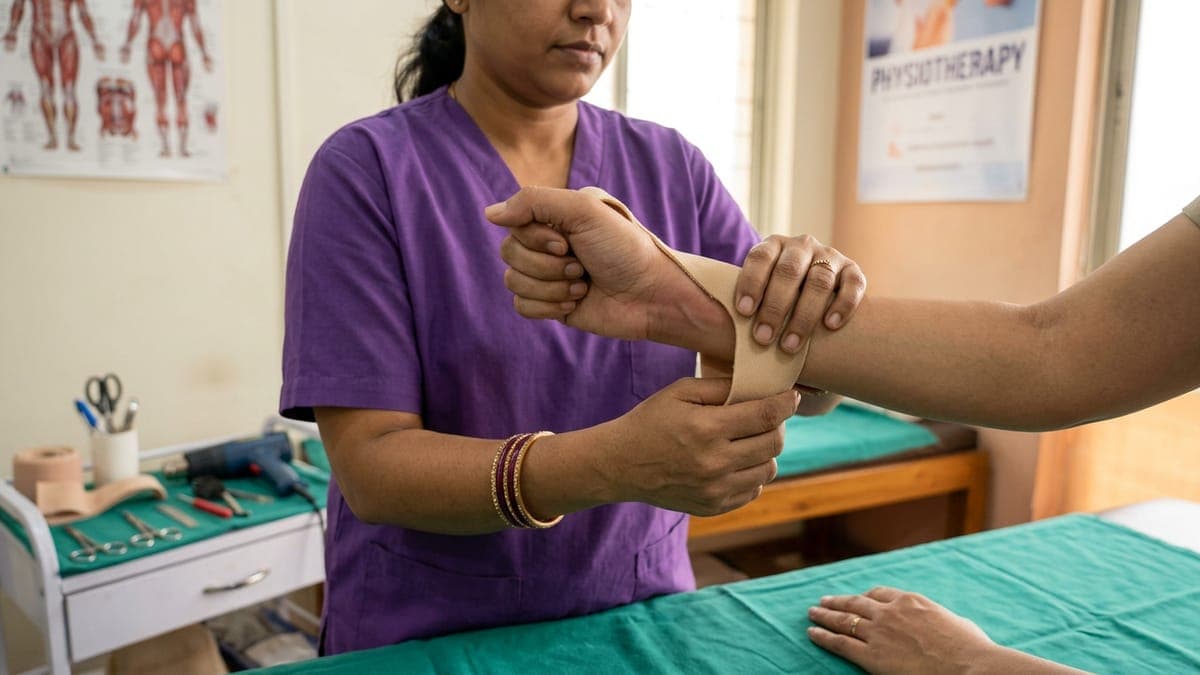
De Quervain's Tenosynovitis: Physiotherapy Treatment in Faridabad
De Quervain's tenosynovitis is a painful condition of the thumb side of the wrist, caused by inflammation of the tendons running through the first dorsal compartment. The abductor pollicis longus (APL) and extensor pollicis brevis (EPB).
It is characterised by pain and swelling over the radial styloid and is famously associated with new parenthood (often called 'mommy thumb') and with repetitive smartphone use. Physiotherapy is highly effective and allows most patients to avoid surgery.
At Realign Rehab Clinic , NIT-5, Faridabad, our expert physiotherapists deliver personalised, evidence-based rehabilitation. We serve patients from NIT, Green Field Colony, Ballabhgarh, Sector 21–82, and across Faridabad.
Book your assessment: +91 9818185589 .
Causes and Risk Factors
- Repetitive thumb and wrist movements: pinching, gripping, lifting, scrolling
- New parents lifting and holding infants (classic presentation in new mothers)
- Workplace repetitive strain: typists, assembly workers, musicians
- Hormonal changes during pregnancy and breastfeeding affecting tendon inflammation
- Gardening and manual activities requiring sustained thumb use
- Racquet sport athletes with repetitive backhand strokes
Signs and Symptoms
- Pain and tenderness over the radial (thumb) side of the wrist
- Swelling over the radial styloid, sometimes with a palpable thickening
- Pain worsened by gripping, pinching, or turning the wrist
- Positive Finkelstein's test (thumb folded into fist, wrist deviated ulnarwards causes pain)
- Difficulty lifting objects with the thumb extended
- Crepitus (creaking sensation) with thumb movement
Physiotherapy Treatment at Realign Rehab, Faridabad
- Custom thermoplastic thumb spica splint to rest the APL/EPB tendons
- Ultrasound therapy and iontophoresis to reduce tendon sheath inflammation
- Soft tissue release and gentle tendon gliding exercises
- Progressive loading: eccentric wrist and thumb exercises as pain improves
- Activity modification guidance: ergonomics for new parents and smartphone users
- Ergonomic assessment for workplace-related cases
- Return-to-activity programme with progressive grip strength training
- Advice on when corticosteroid injection or surgical referral may be appropriate
Frequently Asked Questions
What are the symptoms of De Quervain's tenosynovitis?
The hallmark symptoms are pain and tenderness on the thumb side of the wrist, aggravated by gripping, pinching, or turning a key. Swelling over the radial styloid and a positive Finkelstein's test confirm the diagnosis.
How long does De Quervain's take to heal?
With physiotherapy and splinting, most cases resolve in 6–12 weeks. Chronic cases or those involving significant tendon sheath thickening may take 3–6 months.
Do I need surgery for De Quervain's?
Surgery (first dorsal compartment release) is only considered after 6 months of failed conservative treatment.
Can I use my phone with De Quervain's?
Smartphone scrolling is one of the most aggravating activities for De Quervain's. Reducing thumb use and using a phone stand or stylus during recovery markedly accelerates healing.
Is De Quervain's related to pregnancy?
Yes — hormonal changes during pregnancy and breastfeeding increase tendon inflammation risk, and the repetitive lifting of a newborn applies direct strain to the APL/EPB tendons. New parent De Quervain's is very common and responds well to physiotherapy.
Book Your Consultation
Contact Realign Rehab Clinic, Faridabad today:
- 📍 NIT-5, Faridabad (near Green Field Colony, Ballabhgarh Road)
- 📞 +91 9818185589
- 🕑 Mon–Sat: 8 AM–8 PM