
 Dr. Vaishali Suri (P.T.)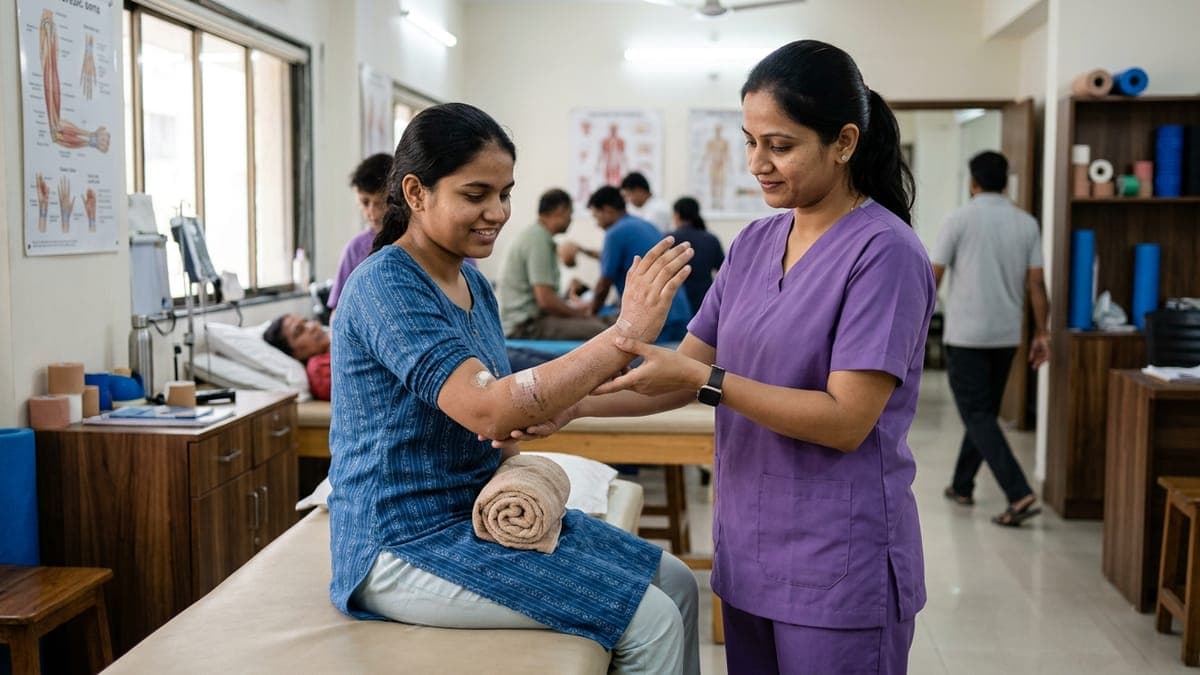
Quick answer: Learn how weight-bearing status, joint stiffness, swelling, muscle loss, gait and return to work are managed after fracture fixation surgery. The plan must follow the surgeon's written precautions and an individual assessment; this article is not personal medical clearance.
What changes after fracture fixation surgery (ORIF or internal fixation)?
Surgery creates a healing tissue or implant environment with procedure-specific restrictions. A useful rehabilitation plan starts with the operation note or discharge summary, current medicines, wound status, mobility support and the tasks the patient needs to regain. A search phrase or postoperative week alone cannot prescribe an exercise.
Before the first physiotherapy session
Bring the discharge instructions, operation date, surgeon's restrictions, medicine list and any brace, sling or walking aid. Record new symptoms, falls and the response to the current home programme. The physiotherapist should establish what is medically permitted before testing capacity.
- bone fractured and fixation method
- current weight-bearing status
- joint-motion and wound restrictions
- latest surgical review or imaging
- work, travel and sport requirements
Early recovery: protection and essential movement
A plate, screw, nail or wire stabilises the fracture but does not make every movement or load immediately safe. The surgeon's weight-bearing status and joint-motion instructions are essential. Physiotherapy protects the repair while maintaining permitted movement, circulation and function in nearby joints.
The immediate goal is safe, repeatable function—not maximising exercise volume. Progress may mean needing less help with a transfer, walking more evenly with an aid or completing the prescribed movement without compensation.
Middle recovery: rebuild capacity
When imaging and the surgeon support progression, loading is increased in planned steps. The programme addresses stiffness, swelling, muscle loss, balance and walking or upper-limb use according to the fractured bone and fixation method.
Load should change one variable at a time, such as range, resistance, repetitions, duration, support or task complexity. The later response—including swelling, pain, fatigue and movement quality—helps decide whether to progress, retain or reduce the dose.
Later recovery: return to real activities
Later rehabilitation restores the capacity needed for stairs, uneven ground, lifting, work or sport. Hardware discomfort, delayed union, nerve symptoms and fear after trauma may require coordination with the orthopaedic team rather than simply adding exercise.
Rehabilitation should test the components of the real task in a controlled setting before unrestricted return. Calendar milestones can guide discussion, but criteria and medical clearance provide the safer decision.
Clinic and home post-surgical physiotherapy in Faridabad
Realign Rehab Clinic provides assessment-led post-surgical physiotherapy at NIT-5, Faridabad. Selected home visits may help when travel is difficult or when the actual bed, chair, staircase or bathroom needs assessment. Availability depends on the full address, clinical suitability and required equipment.
Explore the post-surgical rehabilitation service, post-surgery condition guide and prehabilitation guide.
When physiotherapy should pause
Seek review for wound discharge, fever, new deformity, a fall with loss of function, increasing redness or swelling, numbness, colour change, severe pain or inability to use the limb as previously permitted. Chest symptoms are an emergency.
General postoperative warning signs and wound advice are summarised by the NHS surgery recovery guidance. When symptoms may represent a complication, medical assessment takes priority over routine exercise.
Frequently asked questions
Does having a plate mean I can bear weight immediately?
No. Weight-bearing depends on fracture stability, bone, fixation and healing. Follow the explicit status given by the surgeon.
Can stiffness be forced after a fracture?
Aggressive forcing can irritate healing tissue. Mobility should respect the fixation, healing stage and measured response while progressively restoring useful function.
Sources and clinical note
- NHS: Recovery after surgery
- NHS: Enhanced recovery after surgery
- NHS: Getting back to normal after surgery
Clinical note: This page provides general education. The treating surgeon's restrictions, wound advice and emergency plan take priority. Outcomes and recovery times cannot be guaranteed.