
 Dr. Vaishali Suri (P.T.)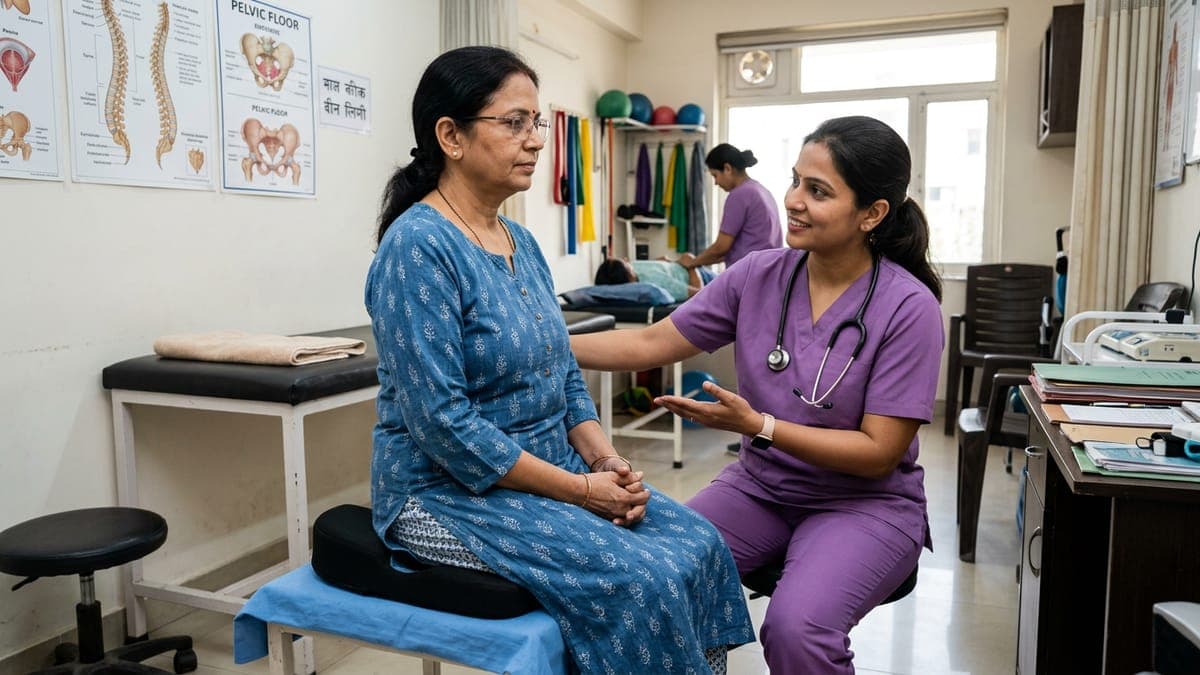
Coccyx (Tailbone) Pain: Physiotherapy Treatment in Faridabad
Coccydynia — pain at the tailbone (coccyx) — can be an intensely debilitating condition that makes sitting, transitioning from sitting to standing, and even lying down extremely painful. Despite its small size, the coccyx serves as an attachment point for multiple pelvic floor muscles and ligaments.
Physiotherapy is the primary treatment for coccydynia and is effective in the majority of cases.
At Realign Rehab Clinic , NIT-5, Faridabad, our expert physiotherapists provide personalised, evidence-based care. We serve patients from NIT, Green Field Colony, Ballabhgarh, Sector 21–82, and across Faridabad.
Book: +91 9818185589 .
Causes and Risk Factors
- Direct trauma: fall onto a hard surface (most common cause), direct impact to the tailbone
- Childbirth: prolonged labour or difficult delivery placing pressure on the coccyx
- Repetitive strain: prolonged sitting on narrow or hard surfaces (cyclists, rowers, office workers)
- Coccyx hypermobility or instability
- Degenerative changes of the sacrococcygeal joint
- Referred pain from pelvic floor dysfunction
Signs and Symptoms
- Sharp pain at the base of the spine when sitting, especially on hard surfaces
- Pain worsened by the transition from sitting to standing
- Tenderness directly over the coccyx
- Aching during prolonged sitting that improves on standing
- Pain during or after bowel movements
- Discomfort during sexual intercourse (particularly in women)
Physiotherapy Treatment at Realign Rehab, Faridabad
- Coccyx mobilisation: external and (where appropriate) internal manual therapy techniques
- Pelvic floor assessment and treatment — tight pelvic floor muscles contribute to coccydynia
- Seated posture modification and tailbone offloading cushion advice
- Core and pelvic stability strengthening: transversus abdominis, multifidus
- Myofascial release: gluteus maximus, levator ani, and coccygeus muscles
- Electrotherapy: TENS and ultrasound for local pain management
- Sacroiliac joint assessment and treatment where relevant
- Activity modification advice and return-to-sitting programme
Frequently Asked Questions
How long does coccyx pain take to heal?
Most cases of coccydynia resolve in 6–12 weeks with physiotherapy. Post-traumatic cases (from a fall) may take 3–4 months. Chronic idiopathic coccydynia may require 4–6 months of treatment.
Is physiotherapy effective for tailbone pain?
The answer depends on your diagnosis, symptoms and examination. A qualified clinician can advise on the safest next step for you.
What cushion is best for coccyx pain?
A doughnut or coccyx cut-out cushion that offloads the tailbone during sitting is the most effective. Your physiotherapist can recommend specific types and advise on posture correction to reduce coccyx loading.
Can physiotherapy treat coccydynia from childbirth?
Yes — post-partum coccydynia is very common. Physiotherapy includes coccyx mobilisation, pelvic floor assessment and treatment, and progressive return-to-sitting activities.
Should I rest completely with coccyx pain?
Complete rest is rarely the answer. Modified sitting with a coccyx cushion, maintaining activity, and starting physiotherapy early produces better outcomes than bed rest.
Book Your Consultation
Start your recovery today — contact Realign Rehab Clinic:
- 📍 NIT-5, Faridabad (near Green Field Colony, Ballabhgarh Road)
- 📞 +91 9818185589
- 🕑 Mon–Sat: 8 AM–8 PM