
 Dr. Vaishali Suri (P.T.)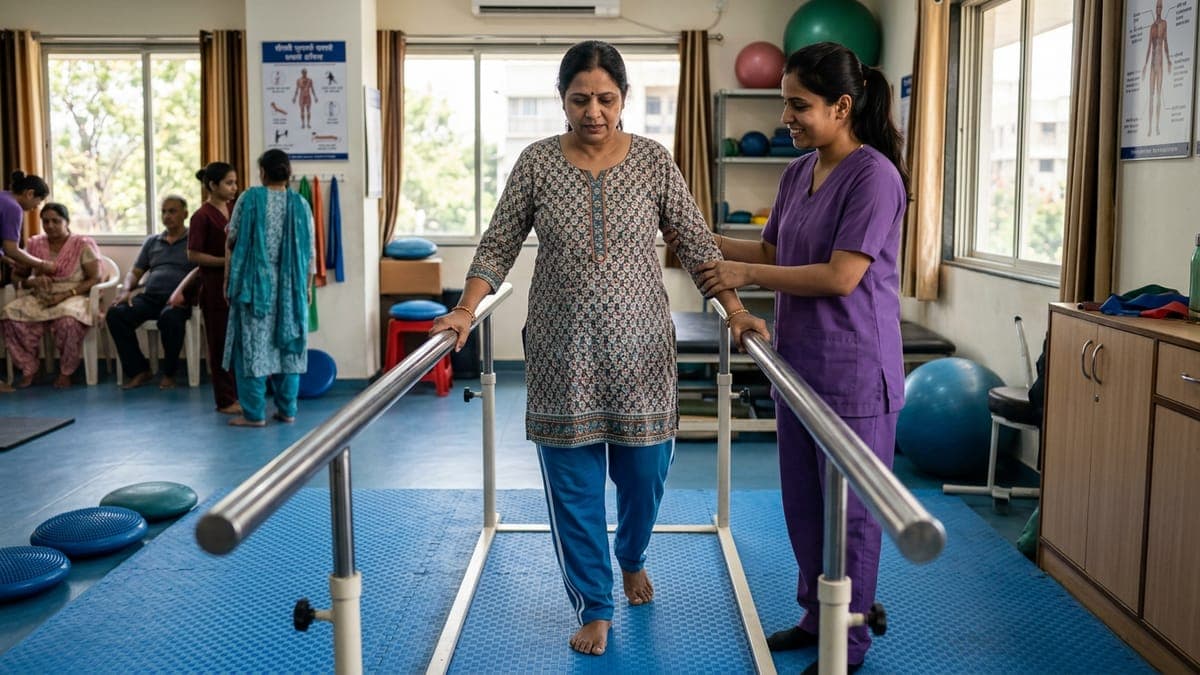
Multiple Sclerosis: Physiotherapy Management in Faridabad
Multiple sclerosis (MS) is a chronic autoimmune neurological condition affecting the central nervous system, causing demyelination of nerve fibres. The result is unpredictable neurological symptoms including muscle weakness, spasticity, fatigue, balance impairment, and cognitive difficulties.
While MS has no cure, physiotherapy is one of the most evidence-based interventions for managing symptoms, maintaining function, and improving quality of life at every stage of the disease.
At Realign Rehab Clinic, NIT-5, Faridabad, our expert physiotherapists provide personalised, evidence-based care. Serving NIT, Green Field Colony, Ballabhgarh, Sector 21–82, and across Faridabad. Contact us: +91 9818185589.
Causes and Risk Factors
- Autoimmune demyelination of central nervous system white matter
- Relapsing-remitting MS (RRMS): most common form — episodes of worsening then partial recovery
- Progressive MS: steadily worsening neurological function without clear relapses
- Brain and spinal cord lesions causing specific neurological deficits
- Risk factors: genetic predisposition, low vitamin D levels, certain viral infections, smoking
Signs and Symptoms
- Spasticity: muscle stiffness and involuntary spasms, particularly in the legs
- Balance impairment and ataxia causing falls risk
- Weakness and reduced endurance in arms and legs
- Heat sensitivity (Uhthoff's phenomenon): worsening symptoms in warm environments
- Bladder and bowel dysfunction
- Cognitive difficulties: memory, concentration, and processing speed
Physiotherapy Treatment at Realign Rehab, Faridabad
- Exercise therapy: evidence-based for reducing fatigue, improving strength, and enhancing quality of life
- Spasticity management: stretching, positioning, orthoses, and TENS
- Balance and gait retraining: reducing fall risk and improving walking confidence
- Fatigue management: energy conservation techniques and activity pacing
- Aquatic physiotherapy: cool water relieves heat sensitivity while enabling exercise
- Upper limb fine motor retraining for hand and arm function
- Breathing and respiratory physiotherapy for severe cases
- Coordination with neurologist as part of the MS multidisciplinary team
Frequently Asked Questions
Is exercise safe for MS?
Yes — exercise is safe and beneficial in MS. It reduces fatigue, improves strength and balance, and improves quality of life.
Exercise should avoid excessive heat exposure (Uhthoff's phenomenon) — aquatic exercise in cool water is ideal.
What type of physiotherapy is best for MS?
A combination of aerobic exercise, resistance training, balance retraining, and fatigue management is most effective. Aquatic physiotherapy is particularly valuable for patients with heat sensitivity or severe fatigue.
Can physiotherapy slow MS progression?
Exercise physiotherapy helps maintain function and delays disability progression by maintaining muscle strength, balance, and cardiovascular fitness. It does not affect the underlying demyelinating process but clearly improves functional outcomes.
How does physiotherapy help MS fatigue?
Energy conservation techniques, activity pacing, and structured exercise programmes that build fitness without triggering fatigue crashes are key strategies. Paradoxically, regular exercise reduces MS fatigue over time.
Do you provide MS physiotherapy at home in Faridabad?
Yes — we provide home visit physiotherapy for MS patients across Faridabad. This is particularly valuable during relapses or for patients with significant mobility limitations. Contact us on +91 9818185589.
Book Your Consultation
Contact Realign Rehab Clinic today:
- 📍 NIT-5, Faridabad (near Green Field Colony, Ballabhgarh Road)
- 📞 +91 9818185589
- 🕑 Mon–Sat: 8 AM–8 PM