
 Dr. Vaishali Suri (P.T.)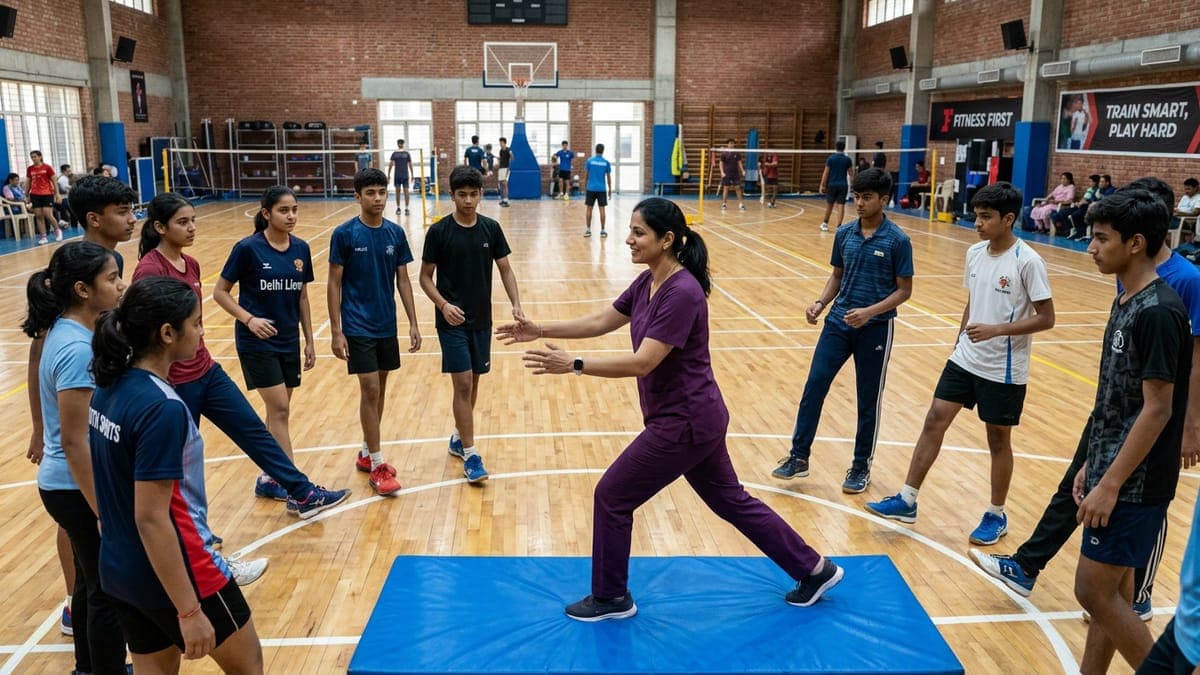
Sports Injury Prevention: Physiotherapy in Faridabad
In Faridabad, where cricket, football, badminton, and athletics are enormously popular, prevention physiotherapy should be a core part of every athlete's support team.
At Realign Rehab Clinic, NIT-5, Faridabad, our expert physiotherapists provide personalised, evidence-based care. Serving NIT, Green Field Colony, Ballabhgarh, Sector 21–82, and across Faridabad. Contact us: +91 9818185589.
Causes and Risk Factors
- Neuromuscular deficits: poor proprioception, balance, and reactive muscle control
- Strength imbalances: asymmetry between limbs or between opposing muscle groups
- Poor movement mechanics: faulty running, landing, or throwing patterns
- Excessive training load: insufficient recovery between training sessions
- Inadequate warm-up and cool-down routines
- Previous injury — the strongest single risk factor for sports injury
- Inadequate sport-specific physical preparation before the competitive season
Signs and Symptoms
- Recurrent minor injuries or persistent 'niggles' suggesting underlying vulnerability
- History of ankle, knee, or hamstring injuries creating recurrence risk
- Poor single-leg balance and proprioception tests
- Faulty landing mechanics (knee collapse, trunk lean) creating ACL risk
- Returning to sport after a serious injury without structured clearance
Physiotherapy Treatment at Realign Rehab, Faridabad
- Pre-participation physical examination and movement screen
- FIFA 11+ and PEP (Prevent injury, Improve performance) programme implementation
- Neuromuscular training: balance, proprioception, and reactive movement drills
- Evidence-based warm-up protocols replacing casual pre-training warm-up
- Training load monitoring: acute:chronic workload ratio management
- Strength and conditioning: addressing asymmetry and sport-specific demands
- ACL prevention: landing mechanics correction and neuromuscular training
- Ankle prevention programme for court and field sports
Frequently Asked Questions
What is a sports injury prevention programme?
A structured programme of exercises, warm-up routines, strength training, and movement correction targeting the specific injury risks in your sport. Evidence-based examples include FIFA 11+, Harmoknee, and the Otago programme.
Can physiotherapy prevent ACL injuries?
The answer depends on your diagnosis, symptoms and examination. A qualified clinician can advise on the safest next step for you.
How often should I do injury prevention exercises?
Prevention programmes are typically performed 3× per week as part of the training warm-up. Consistency is the key — the protective effect diminishes if the programme is not maintained.
Should I see a physiotherapist before starting a new sport?
Yes — a pre-participation assessment identifies movement deficits and injury risks before you begin, allowing targeted conditioning to protect against the specific demands of your sport.
What is the most important thing for preventing sports injuries?
Consistent, progressive training load management combined with targeted neuromuscular conditioning. Most sports injuries are caused by doing too much too soon (load errors) or by neuromuscular deficits in proprioception and movement control.
Book Your Consultation
Contact Realign Rehab Clinic today:
- 📍 NIT-5, Faridabad (near Green Field Colony, Ballabhgarh Road)
- 📞 +91 9818185589
- 🕑 Mon–Sat: 8 AM–8 PM